


Crisis Communication IT: the 7 minutes that change everything
« Guided reading
Find the essentials in 60 seconds
The context, key signals and priority actions brought together in this article.
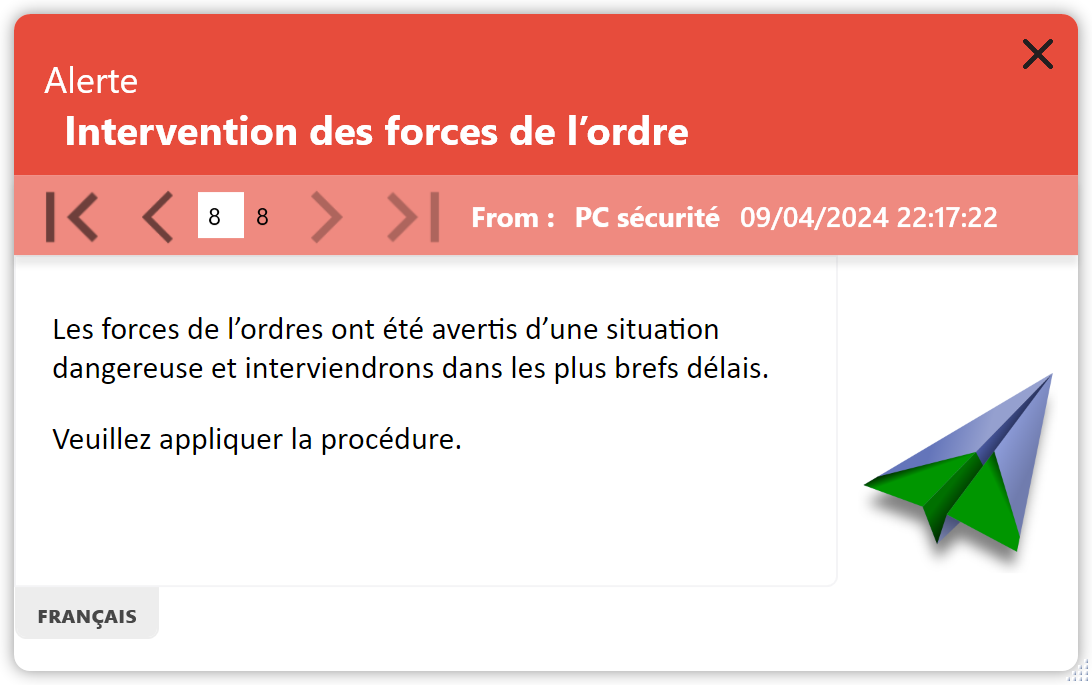
In major incidents, teams do not need a new message among 200 emails. They need a visible, immediate and targeted direction.
Why crisis plans fail
The main risk is not lack of information. It's late or poorly targeted broadcast. When a message is not seen, the incident continues to spread and the business cost increases minute after minute.
The recommended business model
To limit the impact, a simple flow is required: detect, target, diffuse, verify. dMessage integrates with Active Directory to reach only the workstations concerned and accelerates the coordination of IT teams.
| Criteria | Classic e-mail | dMessage pop-up |
|---|---|---|
| Visibility | Variable | Immediately visible |
| Business Targeting | Manual lists | AD filters and technical criteria |
| Incidental piloting | Low traceability | Follow-up of confirmations |
Operational priority
When the incident is in progress, each minute lost increases the risk of user blocking and overloading the support.
Resource requirements
See also our guide alternative to Net Send and our page rates dMessage.
Objective: To deploy reliable critical communication prior to the next major incident.